Industry
Author

Want to share this article?
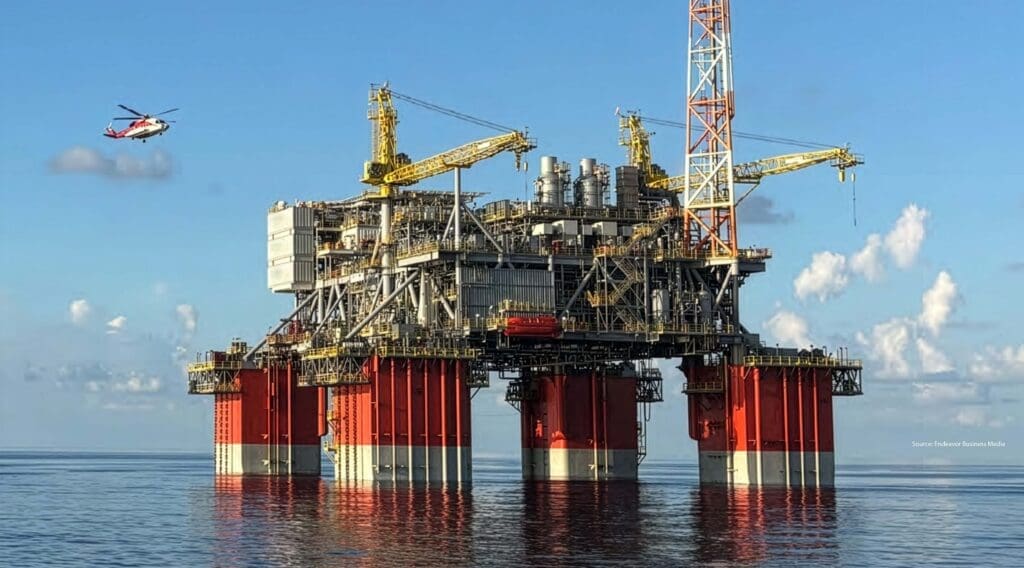
The Salamanca Development Project
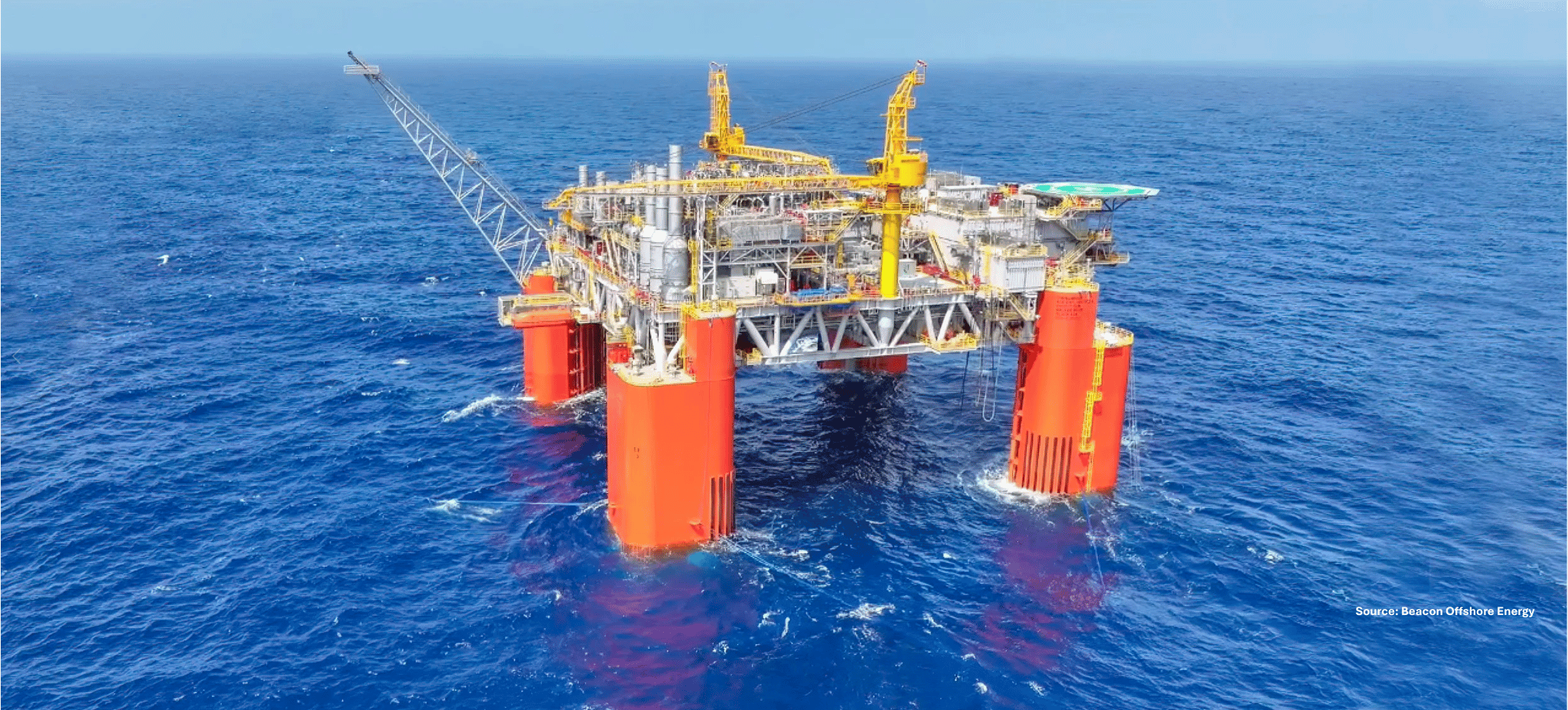
Audubon: Adapting at every phase to engineer a fast-track greenfield solution for the GOM’s first-ever fully repurposed FPU
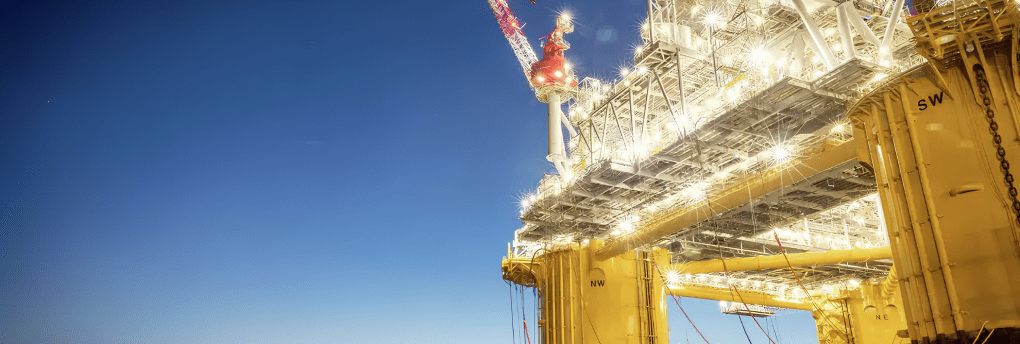
At the core of Salamanca is Audubon Engineering Company. Knowing the company’s design and execution experience in the US Gulf, LLOG Exploration chose Audubon to engineer the FPU’s topside with a sustainable philosophy that would reuse the decommissioned Independence Hub. With agility and dedication, Audubon delivered a fully repurposed greenfield topside design to LLOG on an expedited timeline, from FEED through full detailed engineering and design.
Assessment: Ensuring integrity and suitability
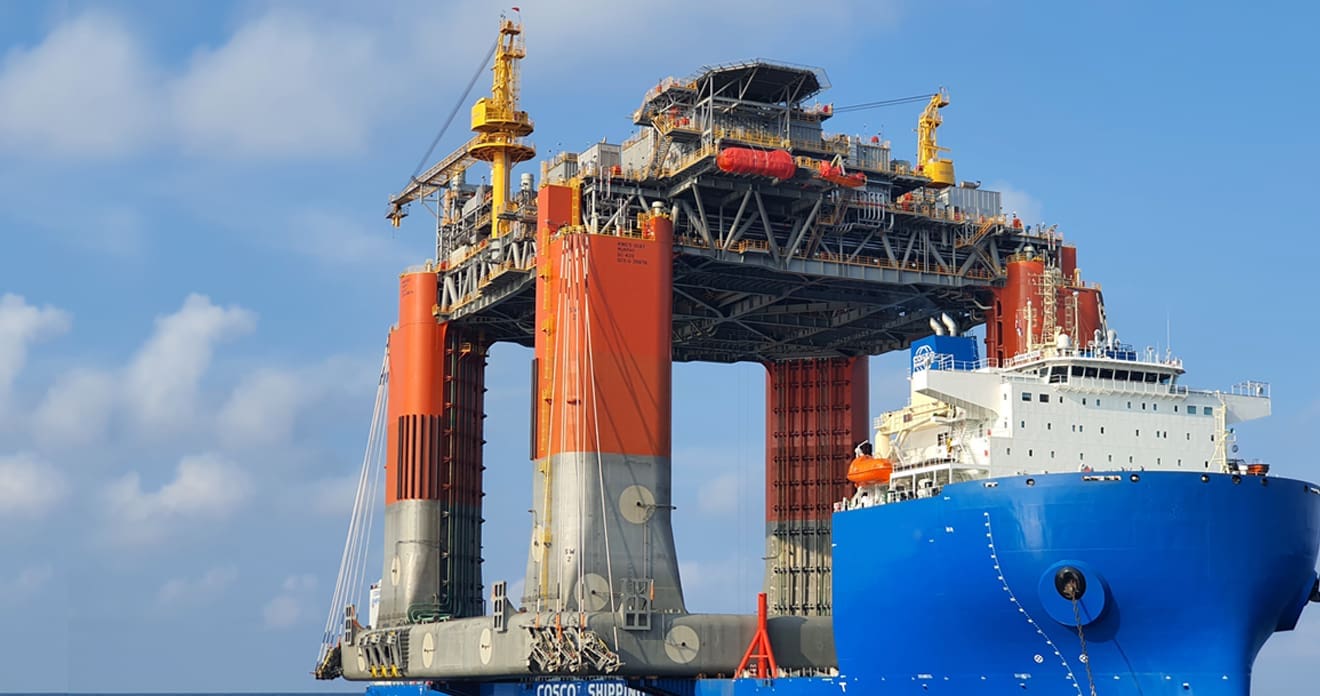
When the Salamanca project arrived at Audubon, IHub had already seen 8 years of operation and 1.3 trillion scf of resource extraction. LLOG’s priority was to retain as much structure as possible, so Audubon’s priority became integrity. The firm dedicated a team of multidisciplinary engineers to perform thorough structural fatigue analysis. Working closely with the project’s inspection group, they determined what elements could be reused for safe production. They also specifically analyzed all the possible lifting and mating failure points along the topside’s refurbishment journey to Ingleside, Texas, and back.
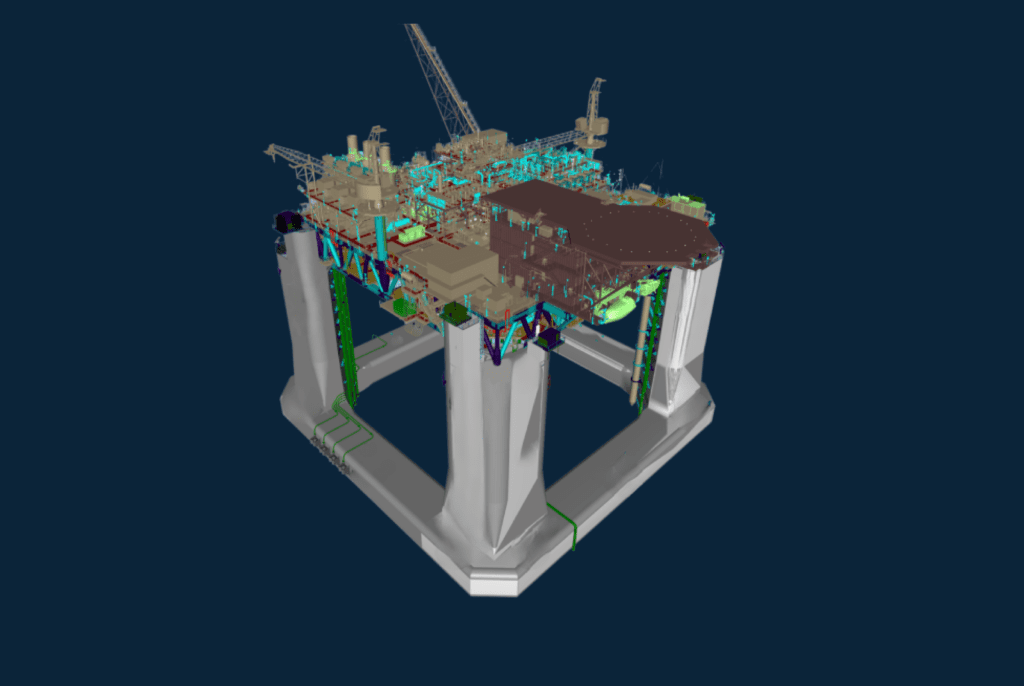
The other big what-if was operational suitability. Could a refurbished topside support high-performance production operations for a completely new oil and gas field it wasn’t originally designed for? Audubon’s engineers worked diligently to deliver preliminary design details for LLOG on just how IHub could operate atop Keathley Canyon by maintaining the truss, cranes, flare tower, stair towers, plated deck surfaces, wastewater sump piles, lifeboats, and diesel storage.
Audubon’s deliverables in the FEED phase provided LLOG with data-driven insights on the feasibility of revitalizing the IHub platform for new production.
Refurbishment: Customizing a hybrid design
After LLOG purchased IHub, the Audubon team immediately went into detailed engineering and design to keep the project’s quick timeline on track. Typically, engineers at this phase of offshore asset development design from scratch, freely optimizing structure and equipment placement. Salamanca, though, would keep her primary steel. Audubon had to engineer secondary steel and equipment around existing fundamental structures—effectively creating a hybrid between greenfield and brownfield design in a reduced timeframe.
The hydrocarbon mix added another challenge. IHub was built to produce gas in Mississippi Canyon, not oil and gas in Keathley. Audubon tailored Salamanca’s topside design for Leon and Castile, selecting piping and equipment to meet new processing requirements and field conditions. The team also brought the design into updated regulatory standards, notably making the FPU 10 ft, 2 in higher to better withstand Gulf storms.
To expedite refurbishment, Audubon engineered a single lift of IHub’s 10,250-t, 30,800-ft2 topside to remove it from the hull. The team redesigned the padeyes from inside to out for secure removal, transport, and reintegration. Weight control was a factor in every design component; engineers strictly maintained LLOG’s set parameters to ensure successful lifts and on-time delivery.
Audubon’s custom engineering and execution efficiency during this phase was integral in accomplishing the industry’s first-ever single-lift removal of a topside for reuse.
Integration: Problem -solving at every turn
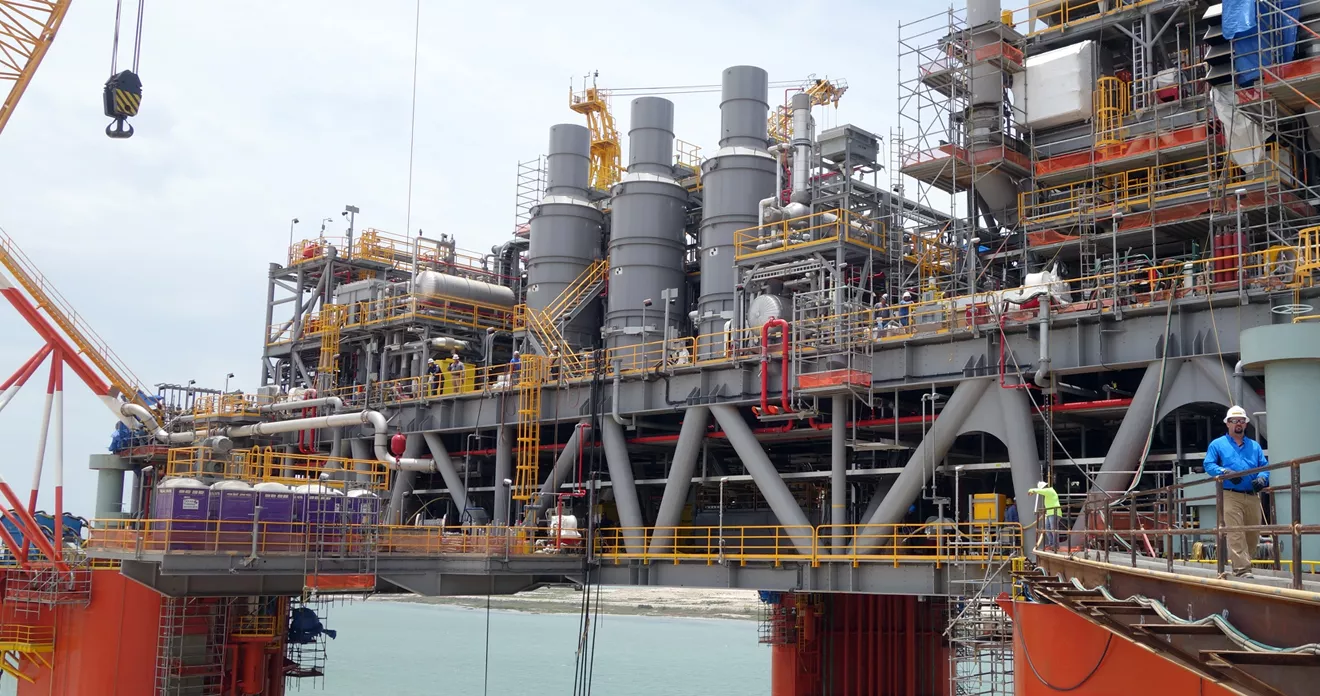
In Ingleside, Audubon managed refurbishment for the topside’s retained structures, including procurement and vendor coordination. The team responded with flexibility and creative solutions to severe post-Covid supply-chain deficiencies, prioritizing local suppliers and accelerating design timelines to get ahead of potential delays. Piping and tray systems were all expedited well ahead of standard schedules to ensure the FPU’s readiness for service.
Integrating new assets on the refurbished platform proved complex, with each upgrade revealing fresh unknowns. Audubon pivoted each time to adapt the design and scope (localized deck stiffening being just one example), while also finding opportunities to support LLOG’s environmental responsibility goals. When the FPU’s nine turbines needed replacement, they were returned to the manufacturer for rework and future use.
As part of Audubon’s turnkey solution for LLOG, the engineering group supported construction all the way through hull rejoining and platform integration. At every phase of concept, design, and support, Audubon maintained close partner collaboration and an aggressive project schedule compared to a traditional greenfield offshore development.
Audubon’s engineering expertise, tight execution, and agile problem-solving significantly shortened the project’s timeline and reduced the volume of carbon emitted during the construction phase compared to a new-build topside—ultimately resulting in an industry-first, truly sustainable FPU for US energy production.
About Audubon
Founded in 1997, Audubon Companies is a leading provider of project services for critical industries. Audubon’s offshore engineering expertise is backed by innovative technologies, agile processes, and proven project experience on some of the most valuable assets in the US Gulf such as Delta House and King’s Quay. With a commitment to safety, quality, and project execution, Audubon delivers sustainable solutions to build a better tomorrow.


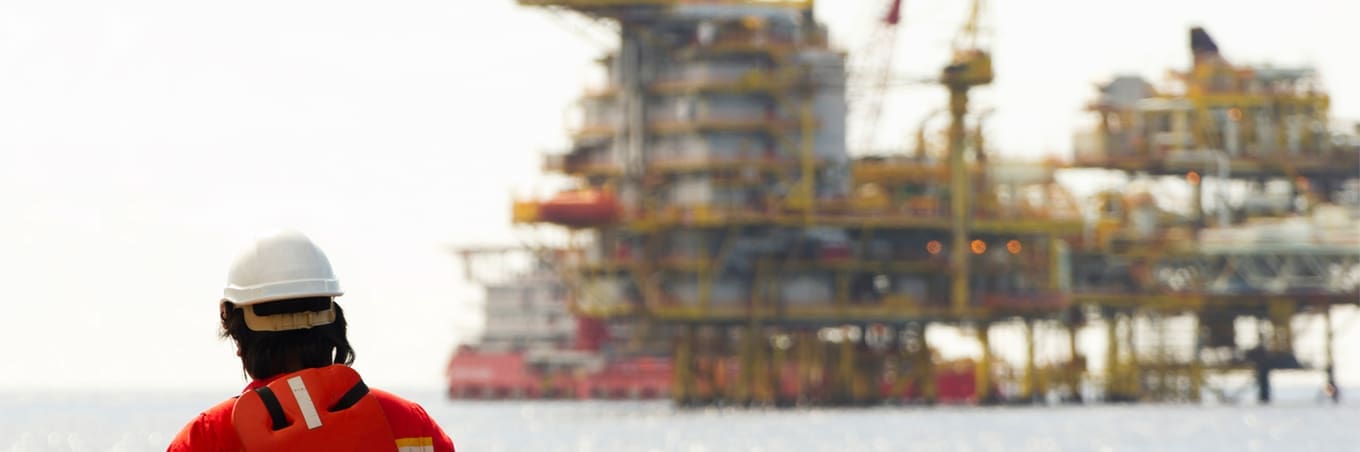
Related services we offer
Maximize project value with leading technologies and an agile, dedicated team.
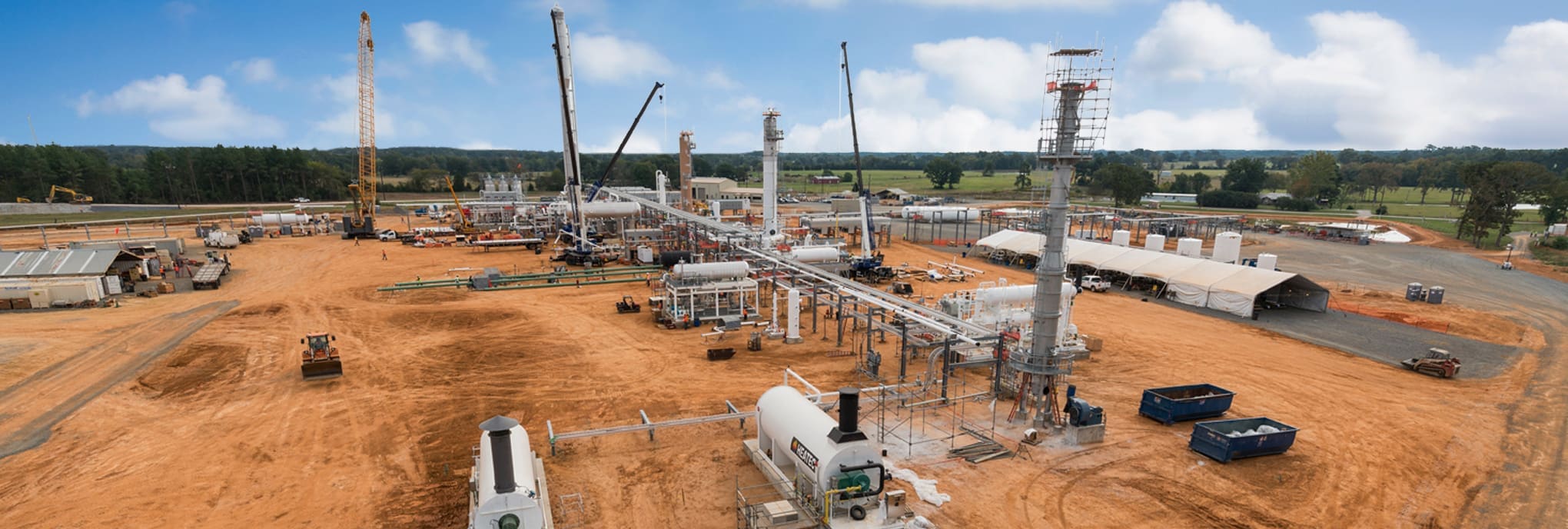
Improve productivity and efficiency while reducing downtime and costs.
Safely and reliably extend productive life with customized solutions that detect damage and combat corrosion.